
Mehrauli Archaeological Park
Mehrauli Archaeological Park, Delhi: History, Monuments & Heritage Guide
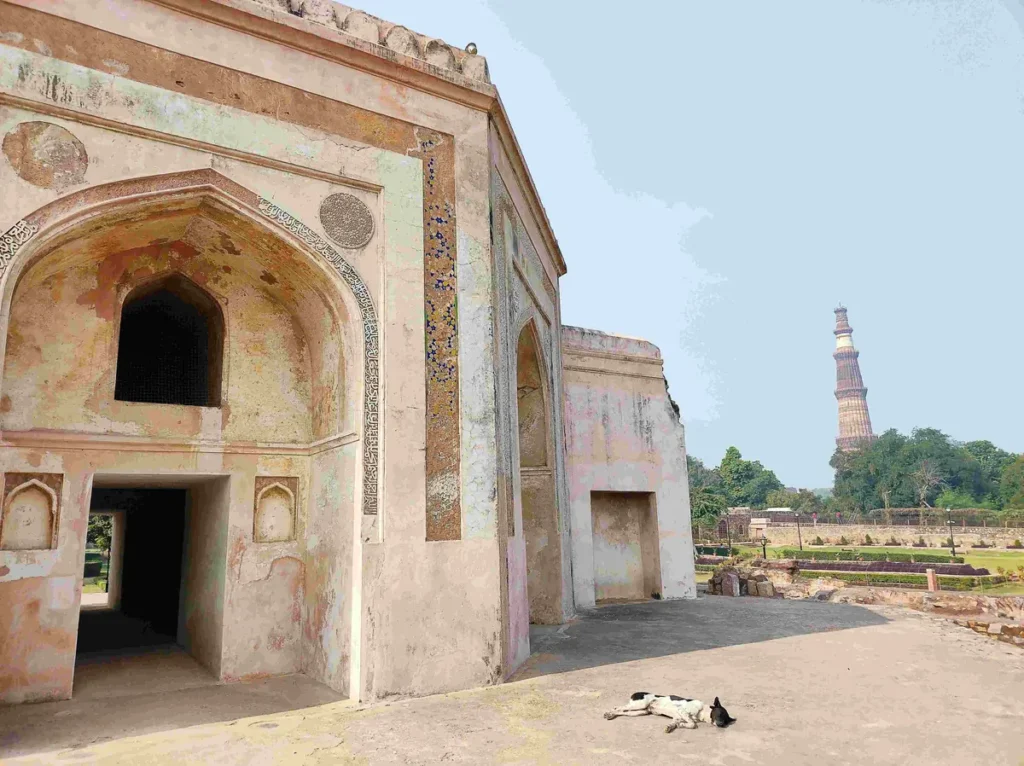
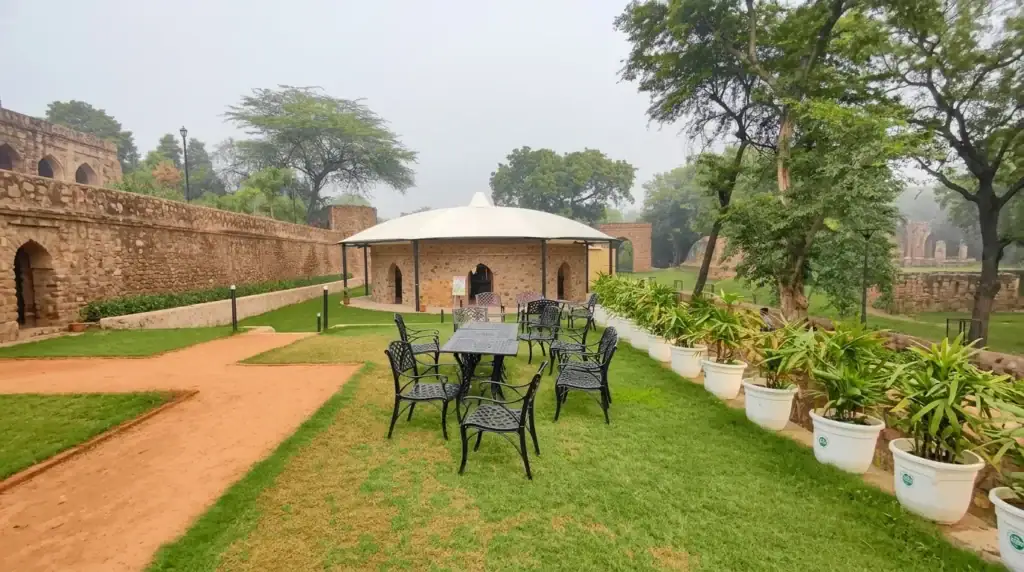
Mehrauli Archaeological Park is one of Delhi’s most rewarding heritage landscapes, especially for travelers who want more than a quick photo stop. Spread across a wide, atmospheric area near Qutub Minar, it contains tombs, mosques, stepwells, pavilions, and ruins from several centuries of Delhi’s history.
What makes Mehrauli special is not just the number of monuments, but the way the site lets you feel Delhi’s layered past in one walk. A visitor can move from Sultanate-era remains to Mughal and colonial-period structures, and that is exactly why this area is so valuable for history lovers, photographers, and curious travelers.
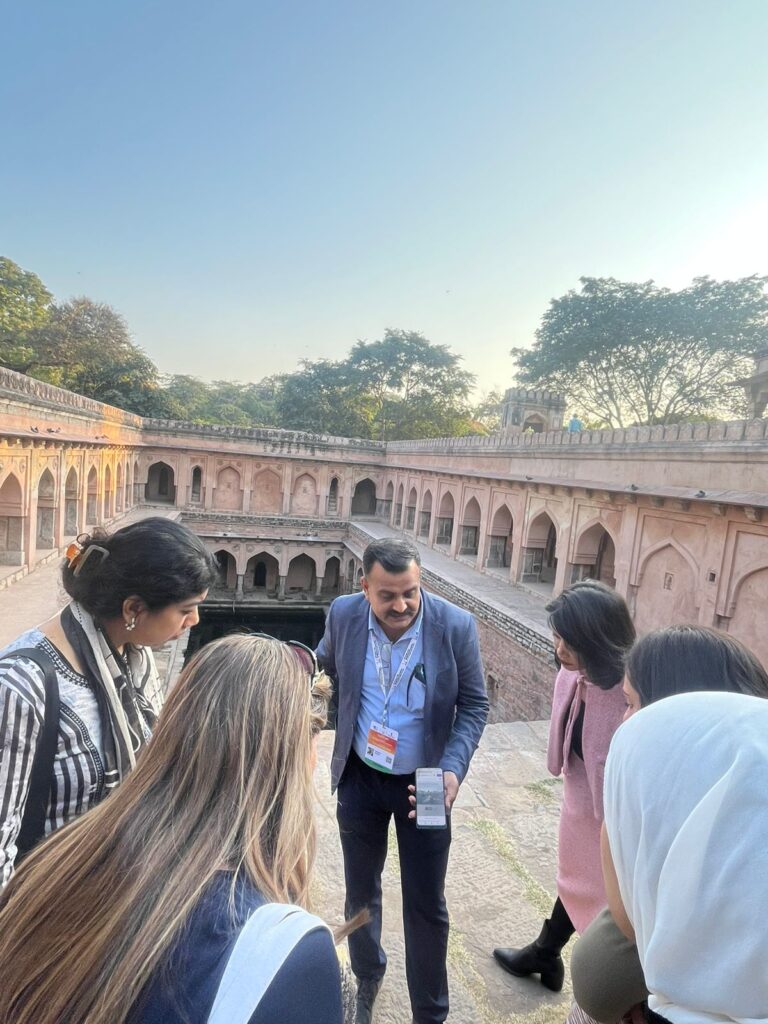
What Is Mehrauli Archaeological Park?
Mehrauli Archaeological Park is a historic zone in South Delhi that preserves a large concentration of monuments and archaeological remains around old Mehrauli village. It is not a single building or a museum-style attraction; it is a living heritage landscape where important structures are scattered across the terrain.
For visitors, that means the experience is part history walk, part architectural discovery, and part quiet escape from modern Delhi. The park is especially appealing if you enjoy walking through places where the ruins do not feel staged, but instead sit naturally within the older fabric of the city.
Why Mehrauli Matters in Delhi
Mehrauli is important because it helps explain how Delhi grew across different dynasties and eras. The area is closely linked to early Delhi Sultanate history, later medieval rule, Mughal presence, and the colonial period, making it one of the best places to understand the city’s long historical continuity.
Unlike a single monument that gives you one story, Mehrauli gives you many overlapping stories. That is why experienced guides often describe it as a place where the city’s past is not locked in one period, but layered across centuries.
Mehrauli Archaeological Park Monuments You Should See
A good Mehrauli visit is not only about the famous names. The real value lies in noticing the smaller monuments, hidden details, and historical connections that make the site feel alive.
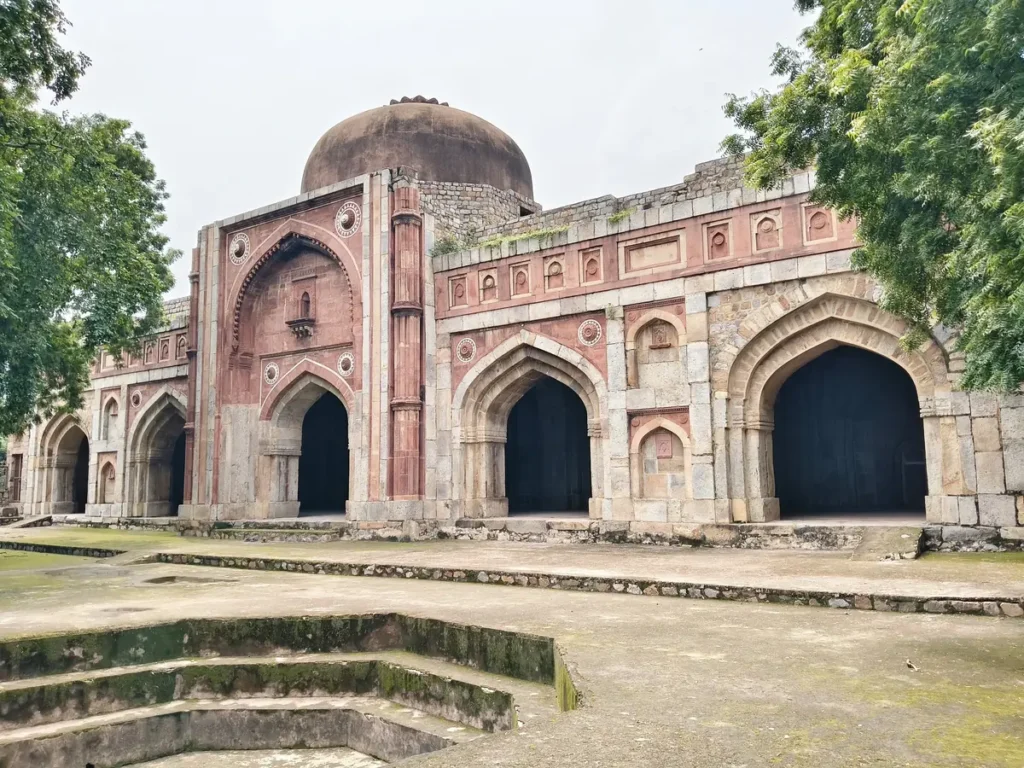
Jamali Kamali Mosque and Tomb
Jamali Kamali is one of the most recognizable monuments in the area and a major stop on any Mehrauli heritage walk. The complex is admired for its architecture, its historical association with the poet-saint Jamali, and its atmospheric setting.
Visitors should look closely at the structure’s design, inscriptions, and the balance between simplicity and elegance. A guide can help explain why this monument matters in Delhi’s cultural and spiritual history and how it fits into the wider story of Mehrauli.
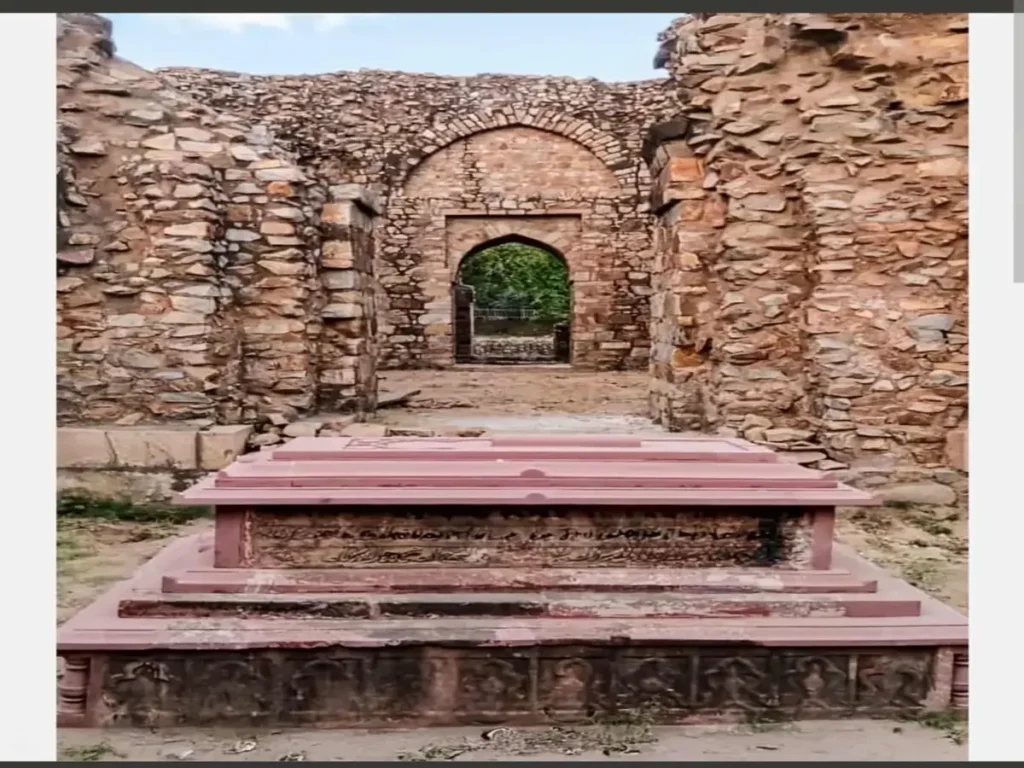
Balban’s Tomb
Balban’s Tomb is one of the oldest surviving tomb structures in Delhi and is significant for understanding early Sultanate funerary architecture. It is especially important because it helps visitors see how architecture evolved in this part of Delhi over time.
What makes it interesting is its ruinous but dignified presence. A knowledgeable guide can point out what remains visible today and explain why the site is historically important even though it is not as visually complete as some later monuments.
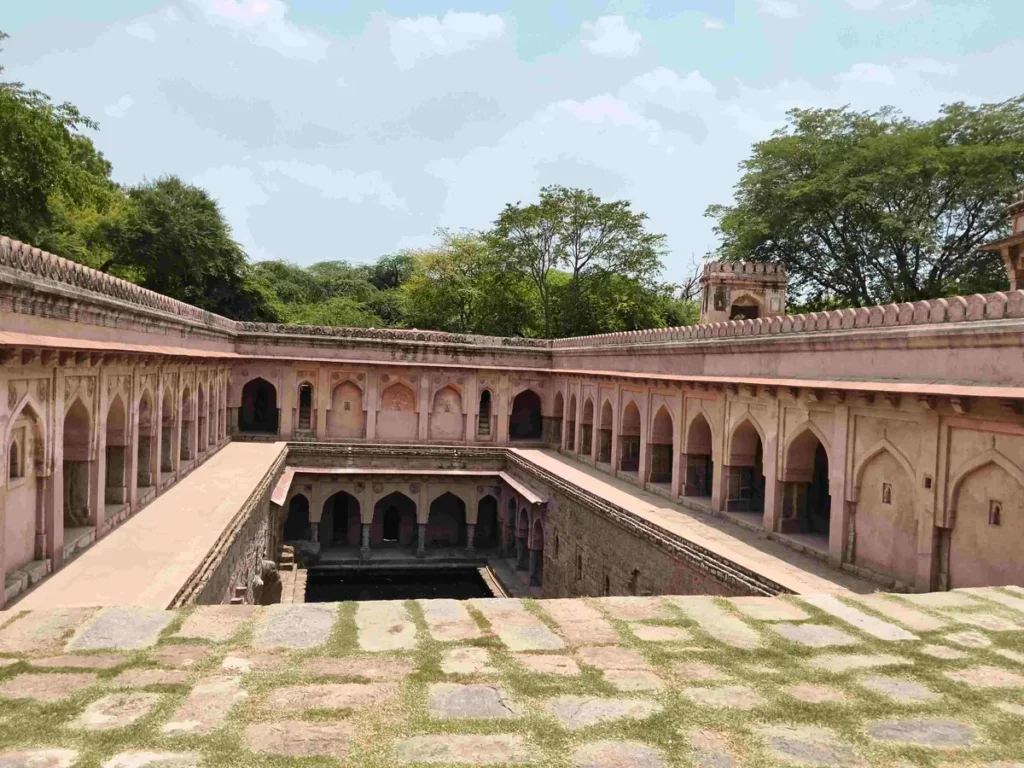
Rajon Ki Baoli
Rajon Ki Baoli is one of the most impressive stepwells in Delhi and a highlight for many visitors. Its stepped design and cool underground spaces offer both architectural interest and a strong sense of place.
People often remember the atmosphere of the baoli more than anything else in the park. A guide can explain how stepwells worked, why water structures mattered in historical Delhi, and why this one stands out among other heritage sites.
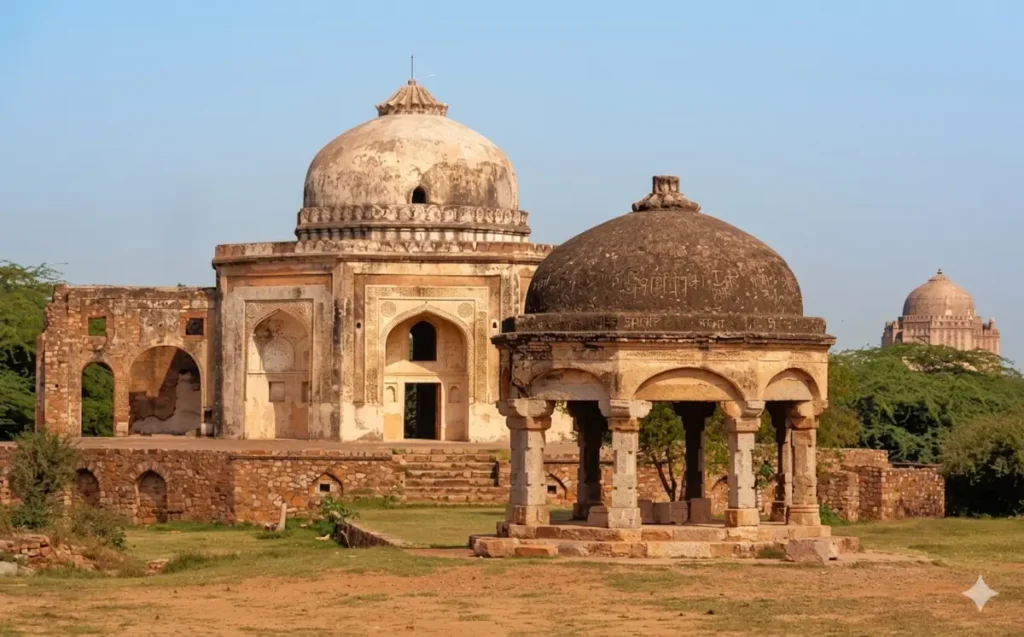
Quli Khan’s Tomb
Quli Khan’s Tomb is an elegant monument that reflects the funerary architecture of its period. For many visitors, it becomes more meaningful when they understand who Quli Khan was and how this tomb fits into the larger political and cultural world of Delhi.
The monument rewards slow looking. Architectural details, proportions, and the surrounding setting become much easier to appreciate when someone explains them in context rather than leaving them as isolated ruins.
The Story of Mehrauli
Mehrauli is often described as a place where different ages of Delhi overlap in one landscape. That is one reason it is so powerful for heritage travelers: you are not moving through a single chapter of history, but through several.
The area’s significance begins with early Delhi Sultanate history and continues across later dynasties, including the Khaljis, Tughlaqs, and Lodis, with later Mughal and colonial layers adding further depth. This makes Mehrauli a useful place for understanding how power, architecture, religion, and urban life shifted across centuries in Delhi.
For a traveler, the best way to experience this is on foot. Walking allows you to notice how monuments relate to one another, how the terrain changes, and how the historical story of Delhi feels physically connected rather than abstract.
Mehrauli Archaeological Park and Qutub Minar
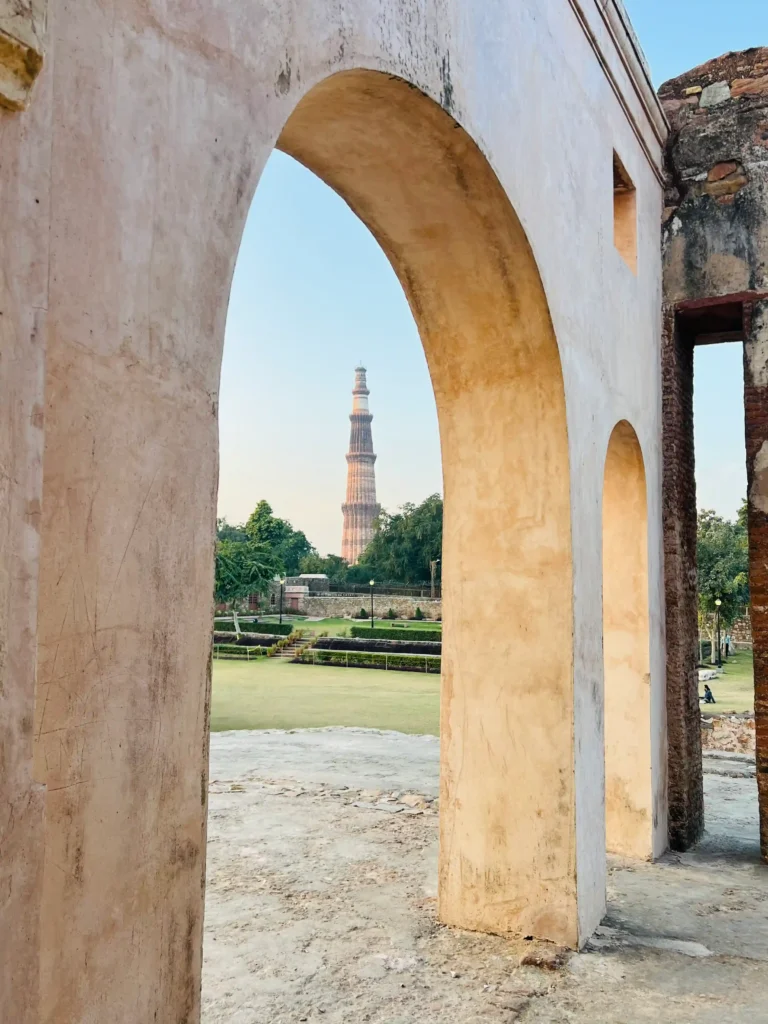
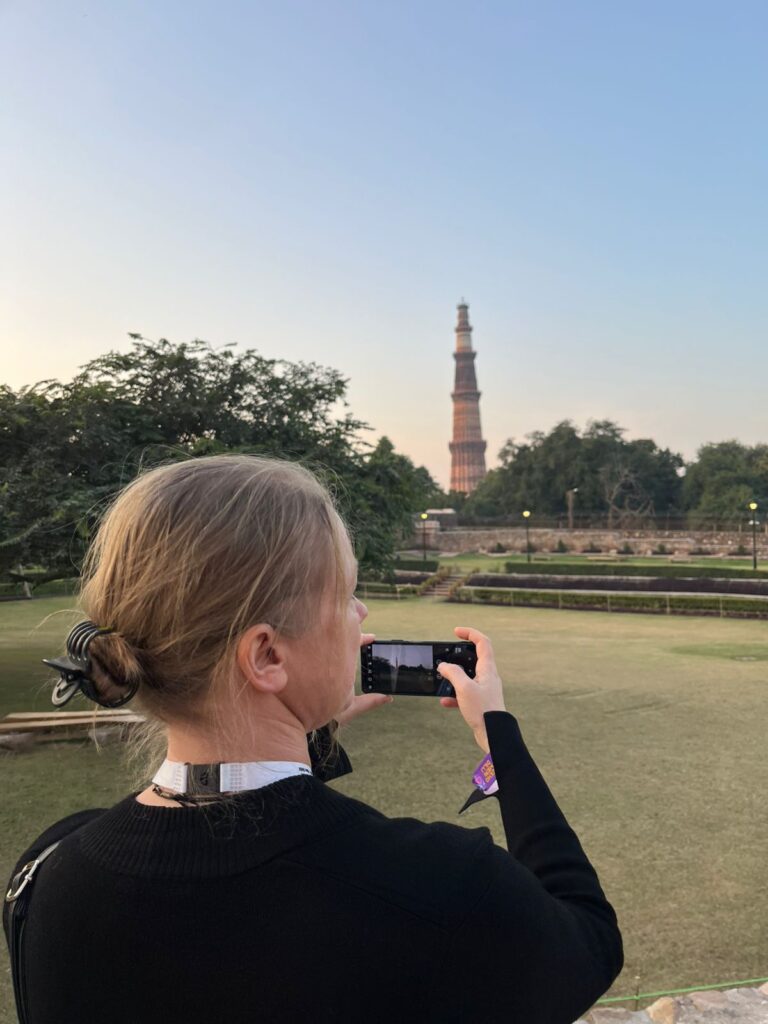
One of the best heritage experiences in Delhi is combining Qutub Minar and Mehrauli Archaeological Park. These are not the same attraction, but they are closely related geographically and historically, which makes them ideal to explore together.
Qutub Minar draws many visitors first, but Mehrauli adds depth to the visit by showing the surrounding historical landscape. This combination helps travelers move from seeing a famous monument to understanding the wider city that grew around it.
For international visitors, this pairing is often more satisfying than a short monument visit because it creates a fuller narrative of Delhi’s medieval past. It also works well for anyone searching for things to do near Qutub Minar or planning a Delhi heritage tour.
Frequently Asked Questions
What is Mehrauli Archaeological Park famous for?
It is famous for its concentration of historic monuments, stepwells, tombs, mosques, and colonial-era structures set within one heritage landscape.
Is It Worth Visiting?
Yes, Mehrauli Archaeological Park is absolutely worth visiting if you enjoy history, architecture, photography, or quieter heritage spaces. It is especially valuable for travelers who want to understand Delhi beyond the most famous monuments.
The park is not about one dramatic building. It is about layers, atmosphere, and discovery. That makes it one of the more intellectually satisfying heritage experiences in the city.
How to Reach Mehrauli Archaeological Park
Mehrauli Archaeological Park is in South Delhi, near the Mehrauli area and not far from Qutub Minar. It is accessible by road, metro on yellow line and works well as part of a broader South Delhi heritage itinerary.
How long does it take to visit Mehrauli Archaeological Park?
A basic visit can take two to three hours, while a more relaxed heritage walk may take half a day.
What monuments are in Mehrauli Archaeological Park?
Important monuments include Jamali Kamali, Balban’s Tomb, Rajon Ki Baoli, Quli Khan’s Tomb, Metcalfe’s Canopy, Metcalfe’s Boat house, and Gandhak Ki Baoli.
Is Mehrauli Archaeological Park near Qutub Minar?
Yes, it is near Qutub Minar and is often visited together with it as part of a South Delhi heritage itinerary.
Can I visit Mehrauli Archaeological Park with Qutub Minar?
Yes, and this is one of the best ways to experience the area because it gives you both the famous monument and the surrounding historical landscape.
Do I need a guide for Mehrauli Archaeological Park?
You do not need one, but a guide adds strong value by explaining historical layers, architectural details, and hidden connections.
Are tickets required for Mehrauli Archaeological Park?
Mehrauli Archaeological Park is generally free to enter, while ticketing may apply to certain monuments within or around the complex, such as Quli Khan’s Tomb. Visitors should always check the latest entry rules before visiting, as access conditions can change.